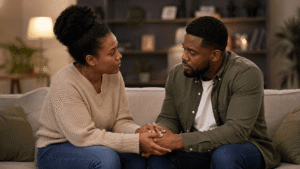
The Biggest Mistake Couples Make Is Waiting Too Long
Recognizing the signs you need marriage counseling early can help you address relationship problems before they become deeper and harder to repair. Many couples imagine that marriages end because of one dramatic event. They picture a major betrayal, an explosive argument, or a single decision that changes everything overnight. While these moments certainly happen, they are rarely the true beginning of a marital crisis. More often, marriages deteriorate slowly, the distance between two people grows one unresolved disagreement, one missed conversation, one disappointment, and one emotional withdrawal at a time. By the time many couples realize how serious the problem has become, they are no longer fighting each other as much as they are fighting years of accumulated hurt.
This gradual decline is one of the greatest dangers in marriage because it often goes unnoticed. Life becomes busy with careers, children, financial responsibilities, ministry, or extended family obligations. Couples convince themselves that the tension they feel is temporary and that things will naturally improve once life becomes less stressful. Weeks turn into months, months become years, and what began as small cracks in the relationship eventually develops into deep emotional fractures.
One of the most common statements marriage counselors hear is, “We should have come much earlier.”
Unfortunately, many people still view marriage counselling as a last resort instead of a wise investment. Some believe that seeking professional help means their marriage has already failed. Others worry about being judged by friends, family, or their faith community. There are couples who assume that asking for help is a sign of weakness or that strong marriages should be able to solve every problem without outside support.
These beliefs prevent countless couples from receiving help when it would have been most effective.
The reality is that healthy marriages are not built because two people never encounter problems. They are built because both partners learn how to recognize challenges early and respond to them with humility, wisdom, and intentional action. Every successful marriage requires continuous learning, adjustment, and growth. Love may bring two people together, but lasting commitment depends on the skills they develop along the journey.
Marriage counselling should therefore be seen in much the same way we view preventive healthcare. Most people understand the value of routine medical checkups because early detection often prevents more serious health complications. Relationships work in a similar way. Addressing communication issues, rebuilding trust, improving emotional connection, and resolving conflict before resentment becomes deeply rooted gives couples a far greater chance of experiencing lasting healing.
Research consistently shows that couples who seek help earlier often experience better outcomes than those who wait until they are already considering separation or divorce. Once emotional disconnection becomes deeply entrenched, rebuilding intimacy becomes more challenging. While restoration is still possible, it often requires more time, greater commitment, and deeper healing than if the issues had been addressed earlier. This is why recognizing the warning signs matters so much.
Many couples continue functioning outwardly while quietly struggling behind closed doors. They attend church together, raise children, celebrate anniversaries, and post smiling family pictures online. Yet beneath the surface, they may feel lonely, misunderstood, emotionally exhausted, or disconnected from the person they once considered their closest companion. Outward appearances rarely reveal the true health of a marriage.
At Family Life Doctor, my philosophy has always been that strong families are built intentionally, not accidentally. My approach combines timeless Christian values with research backed relationship strategies because lasting marriages require both spiritual foundations and practical relationship skills. Faith provides purpose and direction, while evidence based principles equip couples with the communication, emotional intelligence, and conflict resolution tools they need to navigate the realities of married life.
Seeking marriage counseling is not an admission that your marriage is broken beyond repair. It is a declaration that your relationship is valuable enough to protect. It says that you care more about finding solutions than preserving appearances. It reflects wisdom rather than weakness and hope rather than defeat.
If you have ever wondered whether your marriage needs professional support, you are not alone. Many couples ask that question long before they reach a crisis. The encouraging news is that you do not have to wait until your relationship is falling apart before taking action.
Why Most Couples Wait Too Long Before Seeking Marriage Counselling
Marriage problems rarely begin with a single catastrophic event. More often, they start with small disappointments, unresolved misunderstandings, and moments of emotional disconnection that seem insignificant at first. Because these issues develop gradually, many couples convince themselves that there is no urgent need to seek help. They believe that time, love, or changing circumstances will eventually solve the problem. Unfortunately, this belief is one of the main reasons many marriages reach a crisis before professional support is ever considered.
The truth is that most couples do not avoid marriage counselling because they do not care about their relationship. They avoid it because they hope things will improve on their own. They tell themselves that the current season is unusually stressful, that work will become less demanding, that the children will become easier to manage, or that their spouse will eventually change. While optimism can be healthy, passive hope without intentional action often allows relational wounds to deepen.
One of the biggest barriers is pride. Admitting that your marriage needs help can feel uncomfortable, especially for people who are successful in other areas of life. Many professionals spend years building careers, solving complex problems, and earning the respect of others. When difficulties arise at home, asking for guidance may feel like admitting failure. Yet the strongest individuals understand that wisdom includes recognizing when outside perspective is needed. Seeking marriage counseling is not a sign that you are incapable, it is a sign that you value your marriage enough to invest in its future.
Fear also keeps many couples from reaching out. Some fear that counseling will expose painful truths they have avoided for years. Others worry that a counsellor will judge them, take sides, or immediately recommend separation. These concerns often come from misconceptions rather than reality. Effective marriage counseling is designed to create a safe environment where both spouses can honestly explore the challenges they face, understand unhealthy patterns, and learn practical strategies for rebuilding trust, communication, and emotional connection.
Another common reason couples delay seeking help is the belief that their problems are not serious enough. They compare themselves with marriages facing infidelity, addiction, or abuse and conclude that their own struggles are relatively minor. Because they are still living in the same house, attending family events together, or functioning as parents, they assume everything is under control.
This comparison can be dangerously misleading.
A marriage does not have to be on the verge of divorce before it deserves attention. Emotional distance, unresolved conflict, declining intimacy, and poor communication may appear manageable today, but if they remain unaddressed, they often become the foundation for much larger problems tomorrow. Small cracks in a relationship rarely stay small when they are consistently ignored.
Busy schedules also contribute to delayed intervention. Many couples today are balancing demanding careers, financial responsibilities, parenting, ministry commitments, and extended family obligations. By the time they finish meeting everyone else’s needs, they have little emotional energy left for each other. Conversations become shorter. Quality time becomes less frequent. Important issues are postponed because there never seems to be a convenient time to discuss them.
Ironically, the very busyness that causes marital strain often becomes the excuse for postponing the help that could strengthen the relationship.
Some couples also believe that love should be enough. They assume that if two people genuinely care about each other, they should naturally know how to communicate, resolve conflict, rebuild trust, and navigate life’s challenges. While love provides the motivation to remain committed, it does not automatically provide the skills required for a thriving marriage. Just as no one is born knowing how to perform surgery or manage a business, no one enters marriage with perfect relationship skills. Healthy marriages are built through learning, intentional practice, humility, and continual growth.
Another obstacle is the fear of being blamed. In struggling marriages, each spouse often hopes the other person will change first. One partner may think, “If my husband would simply listen, everything would improve.” The other may believe, “If my wife stopped criticizing me, our marriage would be fine.” This mindset keeps couples trapped because both are waiting for change instead of becoming part of the solution themselves.
Marriage counselling shifts the focus away from assigning blame and toward understanding the relationship as a system where both partners influence the health of the marriage. Rather than asking, “Whose fault is this?” the more productive question becomes, “What patterns are preventing us from building the marriage we both desire?”
There is also the emotional trap of gradual adaptation. Human beings have an incredible ability to adjust to unhealthy situations. Couples slowly become accustomed to sleeping without meaningful conversations, living with constant tension, avoiding difficult topics, or functioning more like business partners than intimate companions. Because the decline happens gradually, it begins to feel normal. What once would have been deeply concerning becomes accepted as simply “how marriage is.”
This silent adjustment is often one of the greatest threats to marital health because people stop expecting more from their relationship.
The encouraging news is that recognizing these barriers is the first step toward overcoming them. Marriage counselling is most effective when couples seek support before resentment becomes deeply rooted and emotional distance becomes permanent. Early intervention creates opportunities to rebuild communication, restore trust, strengthen friendship, and resolve conflict while both partners are still emotionally invested in creating a healthier future together.
No marriage is strengthened by pretending problems do not exist. Healthy relationships grow because couples are willing to confront challenges with honesty, humility, and hope. Choosing to seek help early is not an indication that your marriage is weak. It is evidence that your commitment to one another is stronger than your fear of asking for guidance.
The next question, then, is how do you know when your marriage has reached the point where counseling could make a meaningful difference? Fortunately, relationships often reveal warning signs long before they reach a breaking point. Learning to recognize these signals early can help you protect your marriage before small problems become overwhelming ones.
15 Signs You Need Marriage Counselling Before It’s Too Late
Many couples assume they will immediately recognize when their marriage is in trouble. In reality, relationship decline is usually subtle. The warning signs often appear long before anyone starts talking about separation or divorce. They show up in everyday conversations, repeated frustrations, emotional distance, and unhealthy patterns that gradually become normal.
Recognizing these signs early gives couples the opportunity to address problems while trust, love, and commitment are still strong enough to support meaningful change. The goal is not to become fearful of every disagreement but to become aware of patterns that consistently damage the relationship.
Here are the warning signs that suggest your marriage could benefit from professional counselling.
1. You Keep Having the Same Argument Without Ever Resolving It
Every marriage experiences disagreements, and conflict itself is not the problem. In fact, healthy conflict can strengthen a relationship when it leads to greater understanding and better solutions. The real concern arises when the same argument resurfaces repeatedly without genuine resolution.
Perhaps you argue about finances every month, parenting decisions every week, household responsibilities every weekend, or in-laws during every family gathering. Although the topic appears to change, the emotional outcome remains the same. One or both partners leave the conversation feeling unheard, misunderstood, or frustrated, and nothing truly changes before the cycle begins again.
This happens because repeated arguments are rarely about the issue being discussed. A disagreement about money may actually be about security. An argument about household chores may reflect a deeper desire for appreciation and partnership. A conflict over parenting could reveal differences in values, expectations, or communication styles.
Without addressing these underlying emotional needs, couples simply recycle the same conversation with increasing frustration.
Marriage counselling helps couples move beyond surface level disagreements by identifying the real issues beneath recurring conflict. Instead of debating the same problem repeatedly, they learn how to communicate their needs more clearly, listen with empathy, and work together toward lasting solutions.
Ask yourself this question:
Are we solving our disagreements, or are we simply repeating them in different ways?
If your answer is the latter, it may be time to seek support before resentment replaces understanding.
2. Communication Has Become Defensive, Critical, or Almost Nonexistent
Communication is the lifeblood of every healthy marriage. It is through conversation that couples build trust, resolve conflict, share dreams, and maintain emotional intimacy. When communication begins to break down, every other area of the relationship eventually suffers.
Healthy conversations become increasingly difficult when every discussion turns into an argument or ends with someone shutting down emotionally. One spouse may become defensive whenever concerns are raised, while the other resorts to criticism, sarcasm, or silence. Instead of feeling safe to express thoughts and emotions, both partners begin protecting themselves from further disappointment.
Over time, meaningful conversations become less frequent. Discussions revolve around schedules, bills, children, and daily responsibilities, while emotional connection quietly disappears. Couples may still speak every day, yet rarely communicate in ways that strengthen their relationship.
Some marriages become so emotionally guarded that silence feels safer than honesty. Difficult conversations are avoided because both spouses expect them to end badly. Unfortunately, avoiding communication does not eliminate problems. It simply allows them to grow in the background.
Marriage counselling provides couples with practical tools to communicate more effectively. They learn how to express concerns without attacking, listen without becoming defensive, and create an environment where both people feel respected and understood.
Healthy communication is not about winning arguments. It is about strengthening understanding.
3. You Feel More Like Roommates Than Husband and Wife
One of the saddest realities in struggling marriages is that two people can share the same home while living emotionally separate lives.
They wake up together, manage responsibilities together, raise children together, and sleep under the same roof, yet they no longer experience the closeness that once defined their relationship. Their conversations become functional rather than personal. They discuss groceries, work schedules, school fees, and household tasks but rarely talk about their dreams, fears, emotions, or spiritual lives.
This emotional distance often develops gradually. Busy careers, parenting demands, financial pressures, and daily routines slowly replace friendship and intentional connection. Without realizing it, couples begin operating more like business partners managing a household than lifelong companions building a shared life. Marriage was never designed to survive on logistics alone.
Strong marriages are sustained by friendship, shared experiences, emotional intimacy, laughter, affection, and meaningful conversations. When these elements disappear, loneliness can exist even within the relationship itself.
Many couples mistakenly assume that this stage is simply a normal part of marriage. While every relationship experiences busy seasons, prolonged emotional disconnection should never be accepted as inevitable.
Marriage counselling helps couples rediscover the friendship that first brought them together. It creates space to reconnect emotionally, rebuild shared experiences, and intentionally strengthen the bond that everyday responsibilities may have weakened.
A helpful question to consider is this:
If all our responsibilities disappeared for one day, would we genuinely enjoy spending that day together?
Your answer may reveal more about the health of your marriage than you realize.
4. Trust Has Been Damaged, Even If It Has Not Been Completely Broken
Trust is one of the strongest foundations of a healthy marriage. Without it, emotional safety becomes difficult to maintain.
Many people immediately associate broken trust with infidelity, but trust can be damaged in many other ways. Repeated broken promises, financial secrecy, dishonesty, emotional affairs, hidden addictions, or consistently failing to follow through on commitments can all weaken confidence within the relationship.
Sometimes trust is damaged in smaller but repeated ways. A spouse who constantly dismisses their partner’s concerns, shares private family matters without permission, or repeatedly prioritizes other people over the marriage may unintentionally communicate that the relationship is not emotionally secure.
When trust declines, suspicion often increases. Partners begin questioning each other’s motives, second guessing intentions, and interpreting ordinary situations through the lens of disappointment. This creates a cycle where insecurity feeds further conflict.
The encouraging reality is that damaged trust does not always mean the marriage is beyond repair.
Rebuilding trust requires honesty, accountability, consistency, forgiveness, and patience. These are not qualities that develop overnight, but with intentional effort and professional guidance, many couples successfully restore what they believed had been permanently lost.
Marriage counselling provides a structured environment where both partners can address painful experiences safely while learning practical steps toward rebuilding confidence in one another.
Trust may take time to restore, but it can become even stronger when both spouses commit fully to the healing process.
5. One or Both of You Constantly Feel Unheard or Unimportant
One of the deepest emotional needs in marriage is the desire to feel seen, heard, understood, and valued.
When this need consistently goes unmet, emotional disconnection begins to grow. One spouse may repeatedly express concerns, hopes, or disappointments only to feel ignored or dismissed. The other may believe they are listening while failing to truly understand the emotions beneath the words.
Feeling unheard is about far more than conversation. It is the painful belief that your thoughts, feelings, and experiences no longer matter to the person who once knew you best.
Over time, partners who feel emotionally invisible often stop sharing altogether. They conclude that speaking up is pointless because nothing changes. This emotional withdrawal creates greater distance, making genuine intimacy increasingly difficult to maintain.
Healthy marriages are built on emotional validation. Validation does not mean agreeing with everything your spouse says. It means acknowledging that their feelings deserve respect, attention, and thoughtful consideration.
Marriage counselling teaches couples how to listen beyond the words. They learn to recognize emotional needs, respond with empathy instead of defensiveness, and create conversations where both partners feel genuinely understood.
Being heard is not simply about solving problems. It is about reminding your spouse that their heart still matters to you.
These first five warning signs often appear quietly and gradually, making them easy to overlook. Yet they rarely exist in isolation. Left unaddressed, they often pave the way for deeper challenges such as emotional withdrawal, declining intimacy, and the loss of hope within the relationship.
6. Small Disagreements Escalate Into Major Arguments
Healthy couples disagree, the difference is that they know how to disagree without damaging the relationship.
When a marriage is struggling, even the smallest issue can quickly become a heated argument. A simple question about household chores turns into accusations about appreciation. A discussion about spending becomes a debate about respect. A forgotten errand suddenly becomes evidence that one spouse “never cares.”
If this sounds familiar, the real problem is rarely the issue that started the conversation.
As unresolved hurts accumulate over time, emotional sensitivity increases. Past disappointments begin to influence present conversations. Instead of responding only to today’s disagreement, each spouse reacts to months or even years of unresolved pain.
Psychologists often describe this as emotional flooding, a state where emotions become so intense that rational thinking and healthy communication become extremely difficult. During these moments, people are more likely to interrupt, criticize, raise their voices, become defensive, or completely shut down.
Unfortunately, repeated emotional flooding creates a dangerous cycle. Couples begin avoiding important conversations because they expect every discussion to end in conflict. Problems remain unresolved, tension grows, and the next disagreement becomes even more explosive.
Marriage counselling helps couples identify these unhealthy conflict patterns before they become deeply ingrained. They learn practical techniques for managing emotions, slowing down difficult conversations, and addressing disagreements without attacking one another.
The goal is not to eliminate conflict but to transform it into an opportunity for greater understanding and connection.
7. Physical Intimacy Has Declined Without a Clear Reason
Physical intimacy is an important expression of love, trust, affection, and emotional closeness within marriage. While every couple experiences seasons where intimacy changes due to pregnancy, illness, stress, travel, or parenting responsibilities, a long-term decline without honest conversation often signals that something deeper needs attention.
Many couples assume the problem is simply about sex. In reality, physical intimacy often reflects the emotional health of the relationship.
When spouses feel misunderstood, criticized, emotionally neglected, or constantly in conflict, physical affection naturally becomes more difficult. Simple gestures such as holding hands, hugging, sitting close together, or expressing affection may gradually disappear. Eventually, even attempts at intimacy may begin to feel forced or awkward.
In some marriages, one partner may feel repeatedly rejected, while the other feels emotionally pressured or disconnected. Neither spouse fully understands what the other is experiencing, creating frustration on both sides.
Avoiding conversations about intimacy only makes the situation worse. Many couples feel embarrassed discussing this area of their marriage, yet silence often increases misunderstanding and resentment.
Marriage counselling provides a safe environment where couples can honestly discuss emotional and physical intimacy without shame or blame. Rather than focusing only on physical behaviour, counselling helps uncover the emotional barriers that may be preventing genuine connection.
Healthy intimacy begins long before the bedroom. It is built through trust, kindness, emotional safety, meaningful communication, and consistent acts of love throughout everyday life.
8. You No Longer Enjoy Spending Time Together
One of the clearest signs of a healthy marriage is that spouses genuinely enjoy each other’s company.
This does not mean they spend every moment together or share every hobby. Healthy couples maintain individual interests while also intentionally creating opportunities to connect. They look forward to conversations, shared experiences, and simply being together. When a marriage begins to deteriorate, this desire often fades.
Instead of choosing to spend free time together, one or both spouses consistently choose work, social media, television, hobbies, friends, or other activities. Time together becomes limited to responsibilities such as parenting, paying bills, or attending family functions.
Sometimes this avoidance is intentional. One partner may stay late at work because home feels emotionally exhausting. Another may become absorbed in a phone or television simply to avoid uncomfortable conversations. While these behaviours may temporarily reduce conflict, they also reduce opportunities for rebuilding emotional closeness.
Over time, emotional distance becomes normal. Couples stop creating memories together, laughing together, praying together, or simply enjoying each other’s presence.
A strong marriage cannot thrive on shared responsibilities alone. It also needs shared experiences.
Marriage counselling helps couples rediscover intentional connection by identifying the barriers that have replaced friendship. Through guided conversations and practical exercises, they begin rebuilding the emotional companionship that forms the foundation of lasting love.
A helpful question to reflect on is this:
When you have free time, is your spouse still the person you naturally want to spend it with?
If the answer has consistently become no, your marriage may be asking for attention.
9. One or Both of You Have Stopped Trying
Perhaps one of the most concerning signs in any marriage is not constant fighting but complete emotional resignation.
There comes a point in some relationships where one spouse simply stops trying, they stop initiating conversations, stop expressing concerns, stop planning time together, stop attempting to resolve conflict, stop believing anything will ever change. While this may appear to create peace, it is often the result of emotional exhaustion rather than relational health.
This stage usually develops after repeated disappointment. A spouse may have spent years asking for greater communication, affection, partnership, or accountability, only to feel ignored. Eventually, hope begins to fade. Instead of expecting improvement, they emotionally detach as a way of protecting themselves from further pain.
This emotional withdrawal can be especially dangerous because it often happens quietly. There may be fewer arguments than before, leading some couples to believe things have improved. In reality, one or both partners may simply have stopped believing the marriage can become healthier.
Marriage counselling is particularly valuable at this stage because it helps restore hope. It creates a structured environment where both spouses can honestly express long suppressed emotions while learning new ways to reconnect.
Giving up is not always a sign that love has disappeared. Sometimes it is simply a sign that hope has become buried beneath disappointment. With intentional effort and skilled guidance, hope can often be restored.
10. Your Marriage Is Beginning to Affect Your Children
Many parents work incredibly hard to protect their children from marital conflict. They avoid arguing in front of them, maintain routines, and do everything possible to create a stable home.
While these efforts are admirable, children are often far more perceptive than adults realize. They notice tension, sense emotional distance, observe silence, recognize coldness, hear the conversations parents think they cannot hear. Even when children cannot fully understand what is happening, they often feel the emotional atmosphere within the home.
Growing up in an environment marked by constant conflict, emotional withdrawal, or unresolved resentment can influence how children understand relationships, communication, trust, and conflict resolution. Some children become anxious and withdrawn, while others act out emotionally or behaviourally. Many carry unhealthy relationship patterns into adulthood because they simply repeat what they witnessed growing up.
This does not mean parents need to have a perfect marriage. Every family experiences disagreements and difficult seasons. What matters most is whether children also see healthy repair, forgiveness, respect, and reconciliation.
Strong marriages provide children with more than financial security or stable routines. They model emotional safety, mutual respect, healthy communication, and unconditional commitment.
Marriage counselling is therefore not only an investment in your relationship but also an investment in your children’s emotional future. As parents learn healthier ways to communicate and resolve conflict, they create an environment where the entire family can flourish.
Every child deserves to grow up seeing that healthy love is not the absence of problems but the willingness to face those problems together with grace, humility, and commitment.
These five warning signs reveal how unresolved marital struggles gradually affect emotional intimacy, daily interactions, and even the family environment. While they indicate that the relationship needs attention, they do not mean the marriage is beyond hope.
11. You Frequently Imagine Life Without Your Spouse
Everyone experiences moments of frustration in marriage. During difficult seasons, it is natural to wonder what life might look like if circumstances were different. However, there is a significant difference between temporary frustration and consistently imagining a future that no longer includes your spouse.
When thoughts of separation become a source of relief rather than sadness, it often reflects a deeper emotional problem.
You may begin thinking that life would be easier if you were alone. You picture making decisions without conflict, raising the children independently, or no longer dealing with constant disappointment. While these thoughts may initially appear during moments of anger, they can gradually become more frequent until they feel like an escape from ongoing emotional pain.
This does not always mean you no longer love your spouse. In many cases, it means you no longer believe your marriage can improve. That loss of hope is often more dangerous than the conflict itself.
Marriage counselling creates an opportunity to interrupt these patterns before emotional detachment becomes permanent. It helps couples move beyond simply managing pain toward understanding why hope has faded and how it can be restored.
The goal is not merely to prevent separation but to rebuild a relationship where both spouses genuinely desire to share a future together.
12. You Feel More Emotionally Connected to Someone Else Than to Your Spouse
Healthy marriages require emotional intimacy. When that intimacy weakens, it often creates a vacuum that other relationships can unintentionally begin to fill. This does not always involve a physical affair.
Sometimes it begins with regularly confiding in a colleague instead of your spouse. It may involve sharing your deepest struggles with a friend while keeping your husband or wife at an emotional distance. You may find yourself looking forward to conversations with someone else because they seem to understand you better, encourage you more, or make you feel appreciated in ways your spouse no longer does.
These emotional attachments can gradually become emotional affairs, even when there is no physical involvement. The danger lies in transferring emotional closeness away from the marriage instead of investing in rebuilding it.
Every marriage benefits from healthy friendships and supportive relationships. However, when another person consistently becomes your primary source of emotional comfort, affirmation, or understanding, your marital bond begins to weaken.
Marriage counselling helps couples rebuild emotional intimacy by creating opportunities for honest conversations that may not have happened in years. As trust and communication improve, spouses often rediscover the friendship and emotional safety they once shared.
Strong marriages are not built by eliminating every outside relationship. They are built by ensuring that the deepest emotional connection remains between husband and wife.
13. Forgiveness Has Become Increasingly Difficult
No marriage survives without forgiveness. Two imperfect people sharing life together will inevitably disappoint one another. There will be misunderstandings, mistakes, unmet expectations, and moments of failure. Healthy marriages are not defined by the absence of these experiences but by the willingness to work through them with humility and grace.
When forgiveness becomes difficult, however, every new disagreement begins carrying the weight of old wounds. Past arguments are constantly revisited, previous mistakes become weapons during new conflicts, apologies lose their meaning because trust has been eroded, bitterness quietly replaces compassion. Over time, resentment becomes a permanent companion in the relationship.
Many couples assume forgiveness means pretending the pain never happened. It does not. Genuine forgiveness acknowledges the hurt while making a conscious decision not to allow it to control the future of the relationship.
This process is rarely easy, especially after repeated disappointments or serious betrayals. It requires honesty, accountability, healing, and sometimes professional guidance.
Marriage counselling provides a safe environment where painful experiences can be addressed rather than buried. It helps couples process unresolved hurt, rebuild trust, and develop healthier ways of responding to conflict without continually reopening old wounds.
A marriage cannot move forward when both partners are permanently looking backward.
14. External Stress Is Constantly Pulling You Apart Instead of Bringing You Together
Every marriage experiences seasons of pressure, financial challenges, career demands, parenting responsibilities, infertility, health concerns, grief, relocation, caring for aging parents.
These situations do not automatically damage a marriage. In many cases, they strengthen it by teaching couples how to support one another during life’s most difficult moments. The concern arises when external stress consistently turns spouses against each other rather than encouraging them to face challenges as a team.
Instead of saying, “How can we solve this together?” conversations become focused on blame. Financial hardship becomes an argument about spending habits, career pressure becomes emotional absence, parenting disagreements become personal attacks, stress begins influencing every interaction.
Rather than seeing the problem as the enemy, spouses begin viewing each other as the problem. This shift can quietly erode trust, teamwork, and emotional safety.
Marriage counselling helps couples develop healthier coping strategies by teaching them how to communicate under pressure, manage stress together, and strengthen their partnership during difficult seasons.
The strongest marriages are not those that avoid hardship. They are the ones that learn how to remain united despite hardship.
15. You Still Love Each Other but No Longer Know How to Fix the Marriage
Perhaps the most heartbreaking situation is when two people genuinely love one another but feel completely lost about how to repair what has been damaged.
There may be no abuse, no affair, no desire to end the marriage. Yet despite their love and commitment, they feel stuck. They have read books, promised to change, apologized countless times, tried talking things through. Still, the same problems continue to return.
This is where many couples become discouraged. They begin questioning whether love is enough to sustain a lifelong marriage. The honest answer is that love is essential, but love alone is not enough.
A thriving marriage requires practical skills that many people were never taught. Effective communication, emotional intelligence, healthy conflict resolution, trust building, forgiveness, and shared vision are learned abilities. They improve with intentional practice, wise guidance, and mutual commitment.
Seeking marriage counselling at this stage is not admitting defeat. It is recognizing that every profession values expert guidance, and relationships deserve the same level of intentional investment.
Some of the strongest marriages today are not those that never struggled. They are marriages where both husband and wife became humble enough to admit they needed help and courageous enough to pursue it together.
There is tremendous hope for couples who still care deeply about one another but simply do not know what the next step should be. With the right support, many relationships experience renewed trust, deeper friendship, healthier communication, and a stronger foundation than they ever had before.
What Happens During Marriage Counselling and How It Can Transform Your Relationship
For many couples, the idea of marriage counselling is intimidating. Some imagine sitting in a room where every mistake they have ever made is exposed. Others worry that the counsellor will choose sides, criticize one spouse more than the other, or tell them their marriage cannot be saved. These fears often prevent couples from seeking help, even when they know their relationship is struggling.
The reality is very different. Marriage counselling is not about assigning blame or deciding who is right and who is wrong, it is about understanding the relationship itself. A skilled marriage counsellor helps couples identify unhealthy patterns, improve communication, rebuild emotional connection, and develop practical strategies that strengthen the marriage. Rather than focusing on winning arguments, counselling focuses on helping both spouses become better partners.
For many couples, the first counselling session is also the hardest because it requires honesty. Both husband and wife have the opportunity to share their experiences, concerns, and hopes for the relationship. The counsellor listens carefully, not simply to the words being spoken but to the patterns beneath them. The goal is to understand how the couple communicates, where conflict tends to arise, what strengths already exist in the marriage, and what areas need intentional growth.
This first conversation also provides an opportunity to clarify expectations. Some couples arrive hoping every problem will disappear after one or two sessions. Others come convinced that counselling cannot possibly help. Neither expectation is realistic.
Marriage counselling is not a quick fix, it is a guided process that helps couples understand themselves, understand one another, and build healthier ways of relating to each other over time. Lasting transformation usually comes through consistent effort, honest conversations, and a willingness to apply what is learned outside the counselling room.
One of the first areas many counselors address is communication. Poor communication is often the visible symptom of deeper relational issues rather than the root cause itself. Couples learn how to express concerns without criticism, listen without becoming defensive, ask thoughtful questions instead of making assumptions, and communicate difficult emotions with respect. These skills help create emotional safety, allowing conversations to become opportunities for understanding rather than battlegrounds for winning.
Conflict resolution is another major focus of marriage counselling. Every couple experiences conflict, but not every couple knows how to manage it well. Some avoid disagreements entirely because conflict feels overwhelming. Others argue intensely but never actually solve the underlying problem. Counselling teaches couples how to approach disagreements as teammates rather than opponents. Instead of asking, “Who is right?” they begin asking, “How can we solve this together?” This shift in perspective often transforms the emotional climate of the marriage.
Trust rebuilding may also become an important part of the counselling process, particularly if the relationship has experienced dishonesty, broken promises, emotional betrayal, financial secrecy, or infidelity. Rebuilding trust takes far more than an apology. It requires consistent honesty, accountability, transparency, and dependable behaviour over time.
Marriage counselling provides a structured framework for this process. Both spouses are guided through honest conversations about the hurt that occurred, the changes that must be made, and the practical steps necessary for restoring confidence in the relationship. While rebuilding trust is rarely easy, many couples discover that healing is possible when both partners remain committed to the process.
Counselling also creates space for emotional healing. Many marital struggles are sustained by unresolved emotional wounds that neither spouse fully understands. Years of disappointment, rejection, criticism, or feeling unheard can quietly shape how couples interpret one another’s words and actions. Without addressing these deeper hurts, even small disagreements can trigger disproportionately strong emotional reactions.
A healthy counselling environment allows these experiences to be acknowledged with honesty and compassion. As emotional wounds begin to heal, couples often find that communication becomes easier, empathy increases, and emotional intimacy gradually returns.
An important part of marriage counselling involves practical application. Real change does not happen simply because two people attend a weekly session. It happens because they intentionally practice healthier habits between sessions. Couples may be encouraged to schedule regular conversations, practice active listening exercises, rebuild emotional connection through shared activities, or implement new approaches to conflict resolution. These assignments are not busy work. They help transform new knowledge into lasting relationship habits.
Many people also wonder whether the counsellor will take one person’s side. A professional marriage counsellor is not there to decide who wins the argument. The role of the counsellor is to understand both perspectives, identify unhealthy patterns, and help each spouse contribute positively to the relationship. While unhealthy or harmful behaviours will be addressed honestly, effective counselling avoids creating an environment where one partner feels attacked while the other feels validated.
Another common concern is whether counselling will pressure couples to remain together regardless of the circumstances.
The purpose of marriage counselling is not to force outcomes. Rather, it provides couples with the clarity, skills, and support needed to make healthy decisions about their relationship. For the vast majority of couples experiencing communication challenges, emotional distance, trust issues, or recurring conflict, counselling offers a pathway toward restoration. However, counsellors also recognize that certain situations, particularly those involving ongoing abuse or serious safety concerns, require a different level of intervention and protection.
Some couples hesitate because only one spouse is willing to attend counseling. While it is ideal for both partners to participate, meaningful progress can still begin when one person commits to personal growth. As one spouse develops healthier communication patterns, emotional awareness, and relationship skills, positive changes often begin influencing the dynamics of the marriage. Individual growth does not guarantee relational transformation, but it frequently creates opportunities for healthier interactions.
Marriage counselling can benefit couples at almost every stage of their relationship. Newly married couples often seek guidance as they adjust to married life, establish healthy routines, and learn to navigate differences in personality, family background, finances, and expectations. Early support helps prevent small issues from becoming long term patterns.
Couples who have been married for many years may seek counseling after realizing that emotional connection has gradually faded beneath the demands of careers, parenting, or everyday responsibilities. Counselling helps them rediscover friendship, strengthen communication, and renew the intimacy that first brought them together.
For couples recovering from betrayal, counselling offers a structured process for healing. Whether the betrayal involves infidelity, dishonesty, broken trust, or repeated disappointment, professional guidance helps both spouses navigate the difficult journey of accountability, forgiveness, trust rebuilding, and emotional restoration.
Busy professionals also benefit greatly from marriage counselling. Career success often comes with increased pressure, longer working hours, and competing priorities that can unintentionally weaken a relationship. Learning how to balance professional ambition with intentional investment in marriage allows couples to build both successful careers and thriving families.
At Family Life Doctor, marriage counselling reflects a holistic philosophy that integrates timeless Christian principles with research backed relationship strategies. Strong marriages require more than good intentions, they require emotional intelligence, intentional communication, spiritual maturity, practical relationship skills, and a shared commitment to continuous growth. This approach aligns with Dr. Dami’s mission of helping individuals and couples build faith driven, research backed, future forward families that thrive through every season of life.
The most encouraging truth is this: seeking marriage counselling does not mean your marriage has failed. It means you are choosing to fight for your relationship before problems become irreversible. Many of the strongest marriages are not those that never needed help. They are marriages where two people have the courage to ask for guidance, the humility to learn new skills, and the commitment to keep choosing one another.
If you are considering marriage counselling, explore our coaching packages at familylifedoctor.com/coaching/
How to Prepare for Marriage Counselling So You Get the Best Results
Deciding to attend marriage counselling is an important step, but simply showing up is not what transforms a relationship. Counselling is most effective when both spouses approach the process with openness, humility, and a genuine desire to grow. Like any meaningful investment, the outcome depends not only on the quality of the guidance you receive but also on your willingness to apply what you learn.
Many couples begin counseling hoping the therapist or coach will “fix” their spouse. They arrive with a mental list of everything the other person has done wrong and expect the sessions to confirm that their frustrations are justified. While it is natural to want your partner to change, lasting transformation begins when both individuals become willing to examine themselves as well.
The healthiest mindset is not, “How can I change my spouse?” but, “How can I become a better husband or wife while working together to strengthen our marriage?”
When both partners embrace this perspective, counseling becomes far more productive.
Come with a Growth Mindset Instead of a Defensive Mindset
A growth mindset is the belief that people, relationships, and habits can improve through intentional effort, learning, and practice. Couples with this mindset view challenges as opportunities to grow rather than evidence that their marriage is failing.
By contrast, a defensive mindset focuses on protecting personal pride. Every piece of feedback feels like criticism. Every difficult conversation becomes an argument. Every suggestion is interpreted as an attack.
Growth begins when both spouses accept that no marriage is perfect and no individual has all the answers.
Healthy counselling is not about proving who is right. It is about discovering healthier ways to love, communicate, and support one another.
Approaching each session with curiosity rather than defensiveness creates space for genuine transformation.
Be Honest About the Real Issues
Counselling can only address the problems that are brought into the open.
Some couples spend months discussing surface issues while avoiding the deeper concerns that continue to damage their relationship. They talk about finances instead of admitting they no longer trust each other. They argue about household responsibilities instead of acknowledging feelings of rejection or loneliness. They discuss parenting disagreements while ignoring unresolved resentment that has existed for years.
Meaningful progress requires honesty, this honesty is not about blaming your spouse or exaggerating their shortcomings. It is about accurately describing your experiences, your emotions, your fears, and your hopes for the future.
Honesty also means acknowledging your own mistakes. No matter how difficult the marriage has become, both spouses usually contribute in some way to the patterns that have developed. Owning your part does not excuse harmful behaviour from the other person, but it demonstrates maturity and creates an atmosphere where change becomes possible.
Healing begins where honesty replaces denial.
Focus on Understanding Before Being Understood
One of the greatest communication mistakes couples make is listening only long enough to prepare their next response.
Instead of genuinely trying to understand each other’s perspective, they interrupt, defend themselves, or mentally rehearse counterarguments. As a result, conversations become competitions rather than opportunities for connection.
Marriage counselling teaches couples a different approach.
Rather than asking, “How do I prove my point?” they begin asking, “What is my spouse experiencing that I may not fully understand?” This shift changes everything.
Understanding does not always mean agreement. You may still see situations differently. However, when your spouse feels heard and understood, emotional safety begins to grow, making productive conversations much easier.
Listening with empathy is one of the most valuable skills any couple can develop.
Be Willing to Accept Personal Responsibility
Successful counselling requires humility, it is easy to identify the other person’s weaknesses because they are often more visible than our own. Yet every marriage improves when each spouse becomes willing to ask difficult personal questions.
Am I communicating respectfully?
Do I truly listen?
Have I allowed resentment to grow?
Am I meeting my spouse’s emotional needs?
Have I become emotionally unavailable because of work, stress, or disappointment?
Personal responsibility is empowering because it shifts attention toward the areas you can actually influence.
While you cannot control your spouse’s decisions, you can control your own attitudes, responses, and actions. Small personal changes often create ripple effects that positively influence the entire relationship.
Practice What You Learn Between Sessions
Marriage counselling is not limited to the conversations that happen during appointments.
Real transformation takes place in everyday life, the communication skills you learn must be practiced during difficult conversations, the conflict resolution techniques must be applied during disagreements, the emotional connection exercises must become regular habits rather than one time activities.
Many counsellors assign practical exercises between sessions because they understand that repetition creates lasting change. Couples may be encouraged to schedule weekly check-ins, express daily appreciation, pray together, spend intentional quality time, or practice healthier communication techniques.
These assignments may seem simple, but consistent small actions often produce remarkable long term results.
Strong marriages are rarely built through one dramatic breakthrough. They are built through countless intentional choices repeated over time.
Extend Grace While Remaining Committed to Growth
Healing is rarely a straight line, some weeks will feel encouraging as communication improves and emotional closeness begins to return. Other weeks may feel frustrating as old habits temporarily resurface, this does not mean counselling is failing.
Relationships develop over years, and meaningful change usually takes time. Both spouses are learning new ways of communicating, resolving conflict, expressing emotions, and rebuilding trust. Like any new skill, improvement comes through patience and consistent practice.
Extending grace to one another during this process creates an environment where growth feels safe rather than pressured.
Grace does not mean ignoring unhealthy behaviour or lowering expectations. It means recognizing that lasting change is a journey and encouraging one another along the way.
Keep Your Shared Vision at the Centre
One of the most powerful motivations during counselling is remembering why you chose each other in the first place.
Before the disappointments, misunderstandings, and conflicts, there was a shared dream of building a life together.
Counselling helps couples reconnect with that vision.
Instead of becoming consumed by today’s frustrations, they begin looking toward the future they still want to create together. They rediscover shared goals, strengthen their friendship, deepen their spiritual connection, and intentionally rebuild the partnership that first brought them together.
When both spouses remain focused on building a healthy marriage rather than winning individual battles, difficult conversations become opportunities for growth rather than sources of division.
A Simple Marriage Counselling Preparation Checklist
Before your first counselling session, take time to reflect on these questions individually:
- What are the three greatest strengths in our marriage today?
- What three challenges concern me the most?
- How have I personally contributed to these challenges?
- What changes am I willing to make, regardless of what my spouse chooses?
- What do I hope our marriage looks like one year from now?
- What fears or expectations am I bringing into counseling?
- Am I willing to listen with humility, forgive sincerely, and grow intentionally?
Discussing these questions honestly can help both spouses enter counseling with greater clarity and a stronger sense of purpose.
Mistakes That Can Slow Your Progress
While every couple’s journey is unique, certain behaviours consistently reduce the effectiveness of marriage counselling.
These include attending sessions only to prove your spouse wrong, withholding important information, refusing to complete recommended exercises, expecting immediate results, or assuming the counsellor alone is responsible for fixing the marriage.
Another common mistake is quitting too early.
Some couples expect dramatic improvement after one or two sessions and become discouraged when deeper issues require more time. Lasting change is usually gradual. Every honest conversation, every healthier response, and every intentional act of love becomes another brick in rebuilding a stronger marriage.
Marriage counselling is not about finding a perfect relationship. It is about equipping two imperfect people with the wisdom, skills, and support they need to build a healthy, resilient, and deeply fulfilling marriage.
Your Marriage Is Worth Fighting For
Marriage is one of life’s greatest blessings, but it is also one of its greatest responsibilities. It brings together two imperfect people with different personalities, experiences, expectations, and ways of seeing the world. Because of this, every marriage will face challenges. Conflict is inevitable. Misunderstandings will happen. Seasons of stress will come. What determines the future of a marriage is not whether problems arise, but how couples choose to respond when they do.
Throughout this article, we have explored fifteen signs that may indicate your marriage needs professional support. Some of these warning signs are obvious, such as damaged trust or persistent conflict. Others are much quieter, including emotional distance, loss of friendship, or the feeling that you and your spouse have slowly become strangers living under the same roof.
If you recognize several of these signs in your own relationship, resist the temptation to panic or lose hope.
These signs are not a prediction that your marriage will fail. They are an invitation to take action before unhealthy patterns become deeply rooted. In many cases, couples who seek help early are able to resolve issues that might otherwise have continued to grow for years.
One of the greatest misconceptions about marriage counselling is that it is only for couples who are on the verge of divorce. Nothing could be further from the truth.
Marriage counselling is for couples who want to communicate better, couples who want to rebuild trust after disappointment, couples who want to reconnect emotionally after becoming distant, couples who are navigating major life transitions, parenting challenges, financial pressure, or career demands, and most importantly, it is for couples who believe their marriage is worth investing in.
Just as people invest time in their careers, physical health, finances, and spiritual growth, healthy marriages also require intentional investment. Strong relationships do not happen by accident. They are built through consistent effort, honest conversations, mutual respect, forgiveness, and a willingness to keep learning.
One of the most encouraging truths about marriage is that many relationships can recover, even after years of difficulty. I have seen; couples who believed they had nothing left to talk about rediscover meaningful conversations, marriages damaged by broken trust slowly rebuilt through honesty, accountability, and grace, husbands and wives who once felt emotionally disconnected become close friends again.
The common factor was not that their marriages had fewer problems than everyone else. The common factor was that they chose to seek help instead of surrendering to hopelessness.
Ready to Strengthen Your Marriage? Here’s Your Next Step
If you recognize one or more of the warning signs discussed in this article, don’t wait until the distance between you and your spouse becomes even greater. Every day you delay is another day unhealthy patterns have the opportunity to become more deeply established.
Book a Marriage Clarity Session with Dr. Dami, The Family Life Doctor.
During this personalized session, you will:
- Identify the real issues affecting your marriage, not just the symptoms.
- Gain practical, faith driven, and research backed strategies tailored to your unique situation.
- Receive a clear roadmap for improving communication, rebuilding trust, resolving conflict, and strengthening emotional connection.
- Discover the next best steps to help you build a healthier, more resilient marriage.
Whether your marriage is facing significant challenges or you simply want to strengthen an already good relationship, taking action today can change the course of your future together. >>Click Here to Get Started<<
Your marriage is worth fighting for. Your family is worth investing in. And your future is worth protecting.
If this article encouraged you, share it with your spouse, a friend, or another couple who may need it. You never know how one conversation, one decision, or one act of courage could become the turning point that transforms a marriage for years to come.
Reference
- Blanchard, V. L., Hawkins, A. J., Baldwin, S. A., & Fawcett, E. B. (2009). Investigating the effects of marriage and relationship education on couples’ communication skills: A meta-analytic study.
- Joseph, B., Joseph, V. K., & Rajan, S. K. (2025). Effectiveness of couple interventions in marital distress: A systematic review and meta-analysis.